Abdominal wall
Abdominal wall reconstruction
A tailored repair for larger, recurrent or complex hernias, recommended only when a more complete rebuild of the abdominal wall is needed.
- What abdominal wall reconstruction means
- Evaluation
- Approaches
- Recovery: typical ranges
- Care with Dr. Toomari
- Surgical images
- Questions patients often ask
- Related pages
What abdominal wall reconstruction means
Abdominal wall reconstruction is a tailored operation to restore the structure of the abdominal wall when a hernia is large, recurrent, or otherwise too complex for a simple closure. It may involve re-approximating muscle layers, placing mesh in a carefully chosen position, and accounting for prior scars or mesh.
Dr. Toomari lists hernia surgery and abdominal wall reconstruction among his areas of clinical expertise. Whether reconstruction is the right step is decided after an exam and, when useful, imaging — not as a default for every ventral hernia.
Evaluation
Planning usually includes a history of prior operations, a focused exam, and review of imaging and old records when they are available. The goal is to understand the defect, the quality of the remaining tissue and your overall health before recommending a plan, including the possibility of not operating right away.
Approaches
Reconstruction can be performed with open or minimally invasive, including robot-assisted, techniques, depending on the case. Mesh is often part of a reconstruction, but the details are specific to the patient. You will hear the reasoning before you decide.
Recovery: typical ranges
Recovery after reconstruction is usually longer than after a small umbilical or inguinal repair. A short hospital stay is sometimes needed. Walking is encouraged early. Heavy lifting and strenuous core work are typically limited for 8 weeks (no lifting over 10 lb), and sometimes longer after a larger reconstruction.
These are typical ranges only. Recovery varies with the hernia, the type of repair, your health and the work or activity you return to. Dr. Toomari will advise you on walking, lifting, driving and follow-up for your situation.
Care with Dr. Toomari
Dr. Nojan Toomari, DO, FACS, is a board-certified general surgeon and Director of Robotic Surgery at Dignity Health – Northridge Hospital Medical Center, and President and Founder of LA Hernia Center (est. 2014). He has been in private practice in Encino since 2014 and has performed more than 2,200 robotic procedures. He offers open, laparoscopic and robot-assisted laparoscopic repair, and will explain which approach, if any, fits your hernia and your health. Not every hernia needs surgery right away.
Surgical images
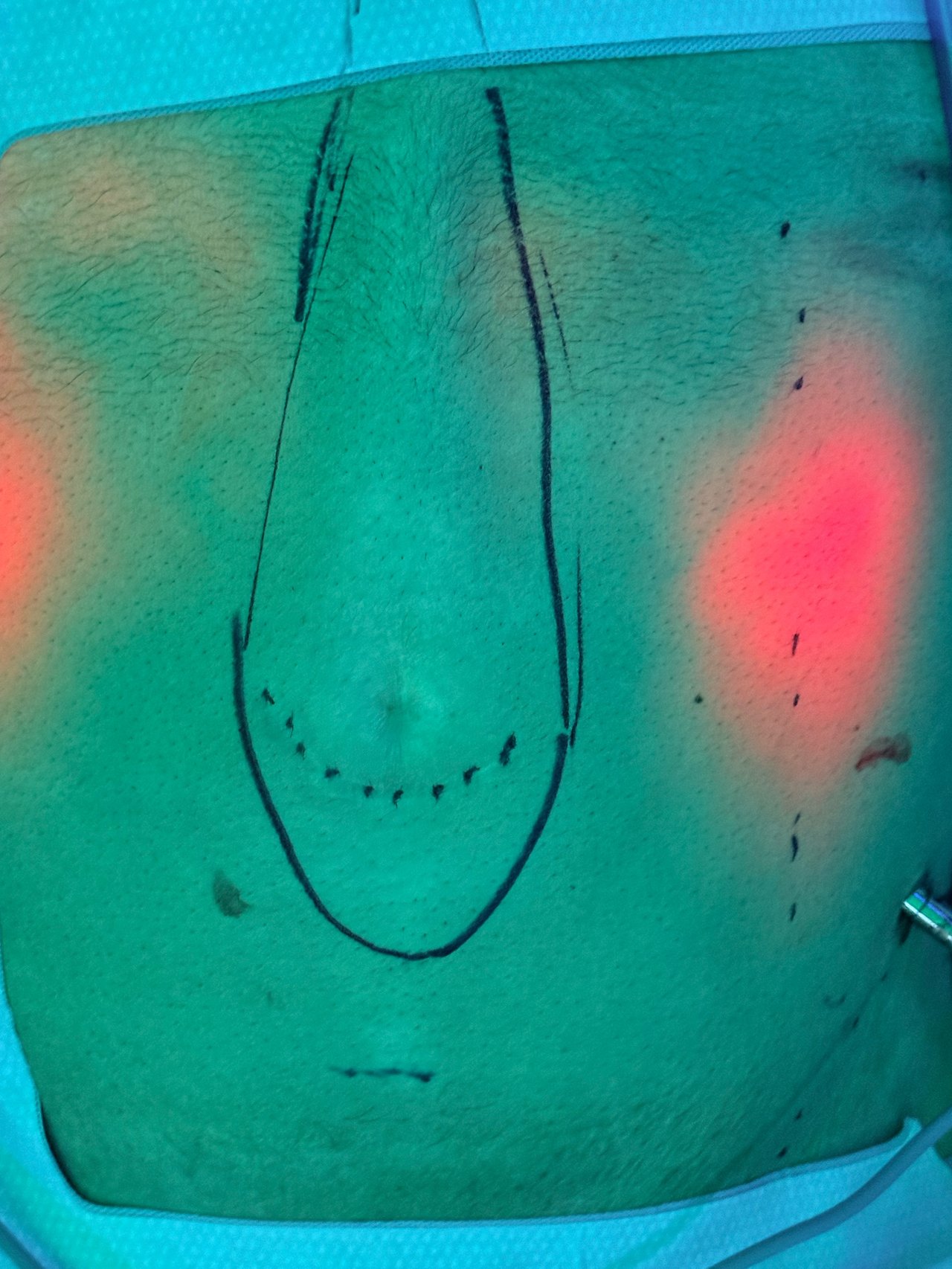
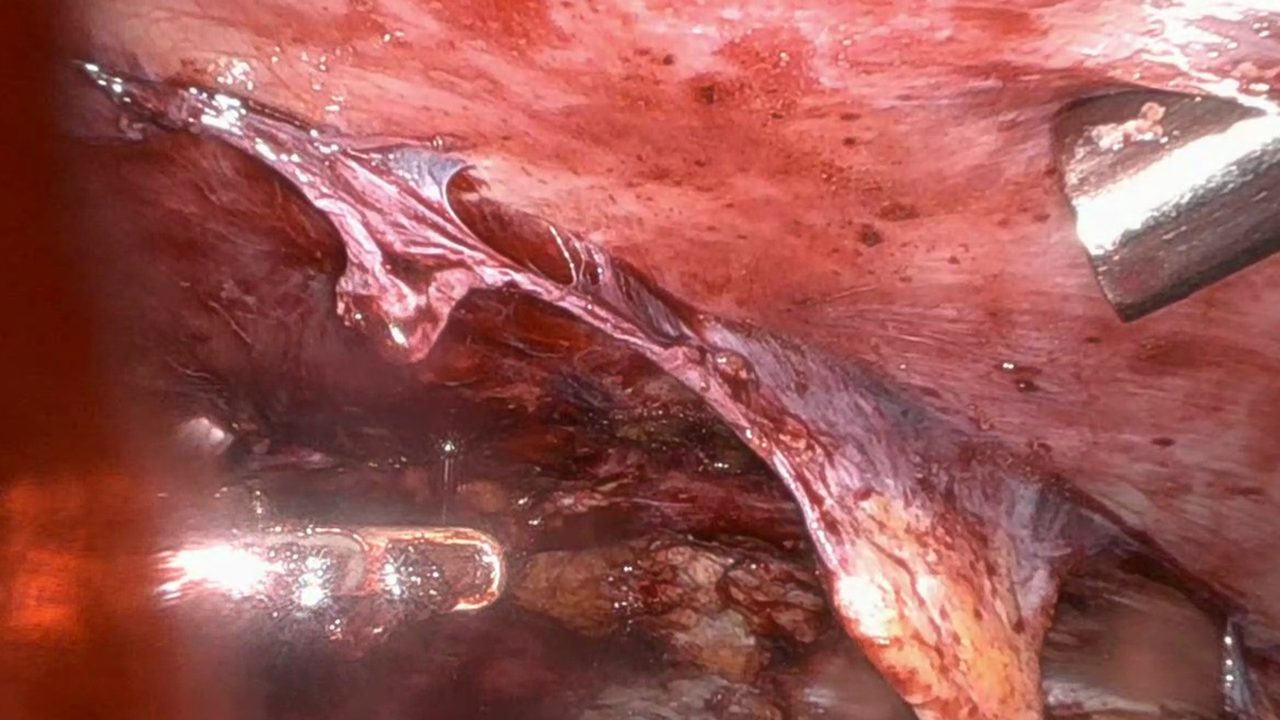
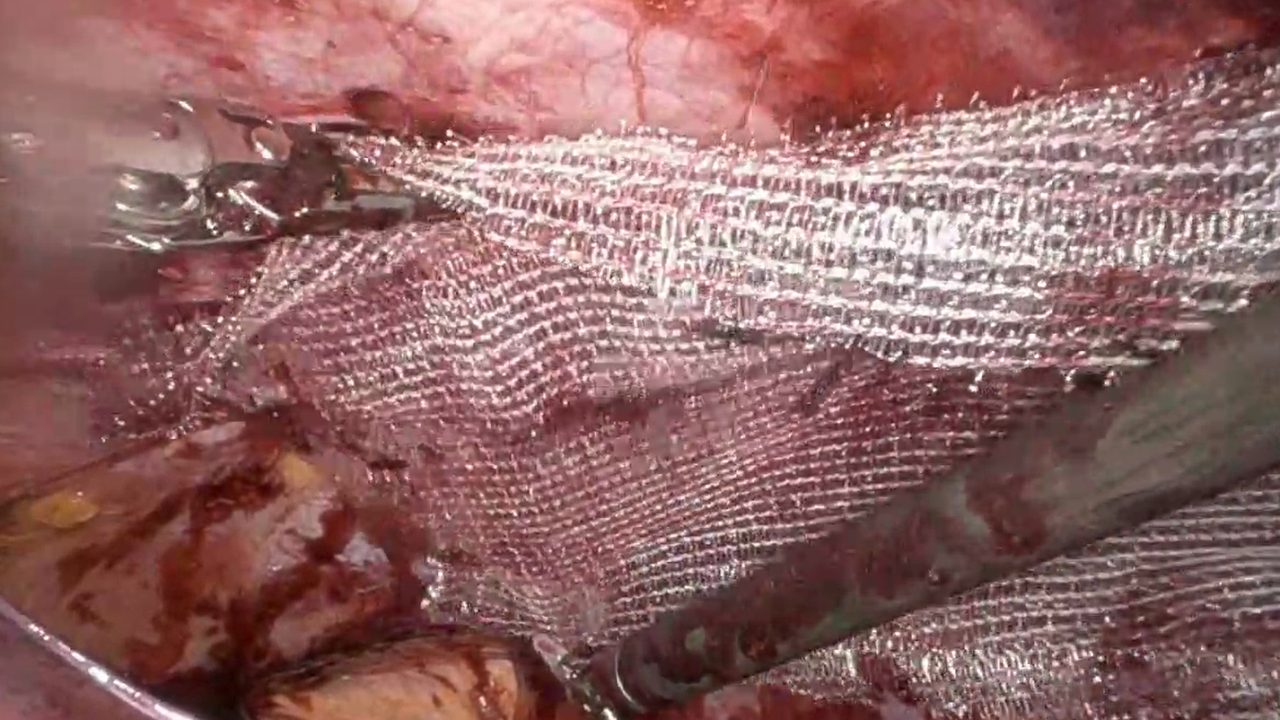
These de-identified intraoperative stills are from Dr. Toomari’s robotic cases. They are educational, contain surgical views, and do not show every patient’s operation.
Questions patients often ask
Is abdominal wall reconstruction the same as a standard hernia repair?
It is a type of hernia surgery, but it is reserved for situations that need a more comprehensive rebuild of the abdominal wall — for example a large or recurrent defect — rather than a straightforward closure of a small hole.
Will I need to stay in the hospital?
Some reconstructions involve a short hospital stay; others are planned as outpatient or overnight procedures. That depends on the operation and your health. Dr. Toomari will discuss what to expect if reconstruction is recommended.
Related pages
Talk with our office about your hernia
The quickest way to request a consultation is to call. Our staff can explain next steps and what to bring.