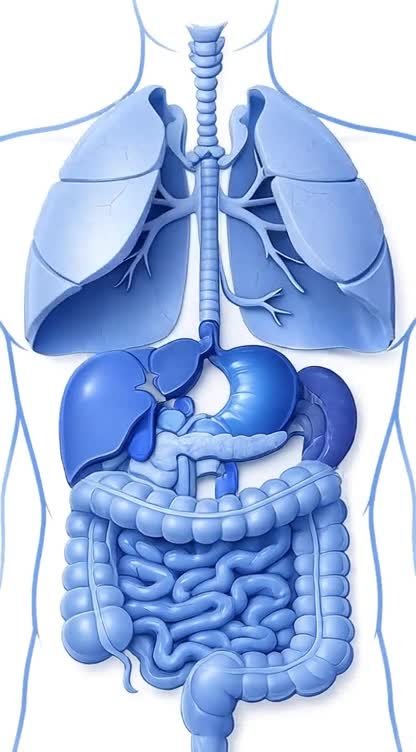
Inguinal hernia
A hernia in the groin, the most common location. Robotic-assisted and minimally invasive repair may be options.
About inguinal herniasDirector of Robotic Surgery, Northridge Hospital
Encino · San Fernando Valley · Los Angeles
Dr. Nojan Toomari, DO, FACS, evaluates and treats inguinal, ventral, incisional, hiatal and complex abdominal wall hernias, as well as diastasis recti. Robotic-assisted, laparoscopic and open surgical options are considered according to each patient’s condition and individual needs.
Prefer to talk now? Call (818) 570-1845
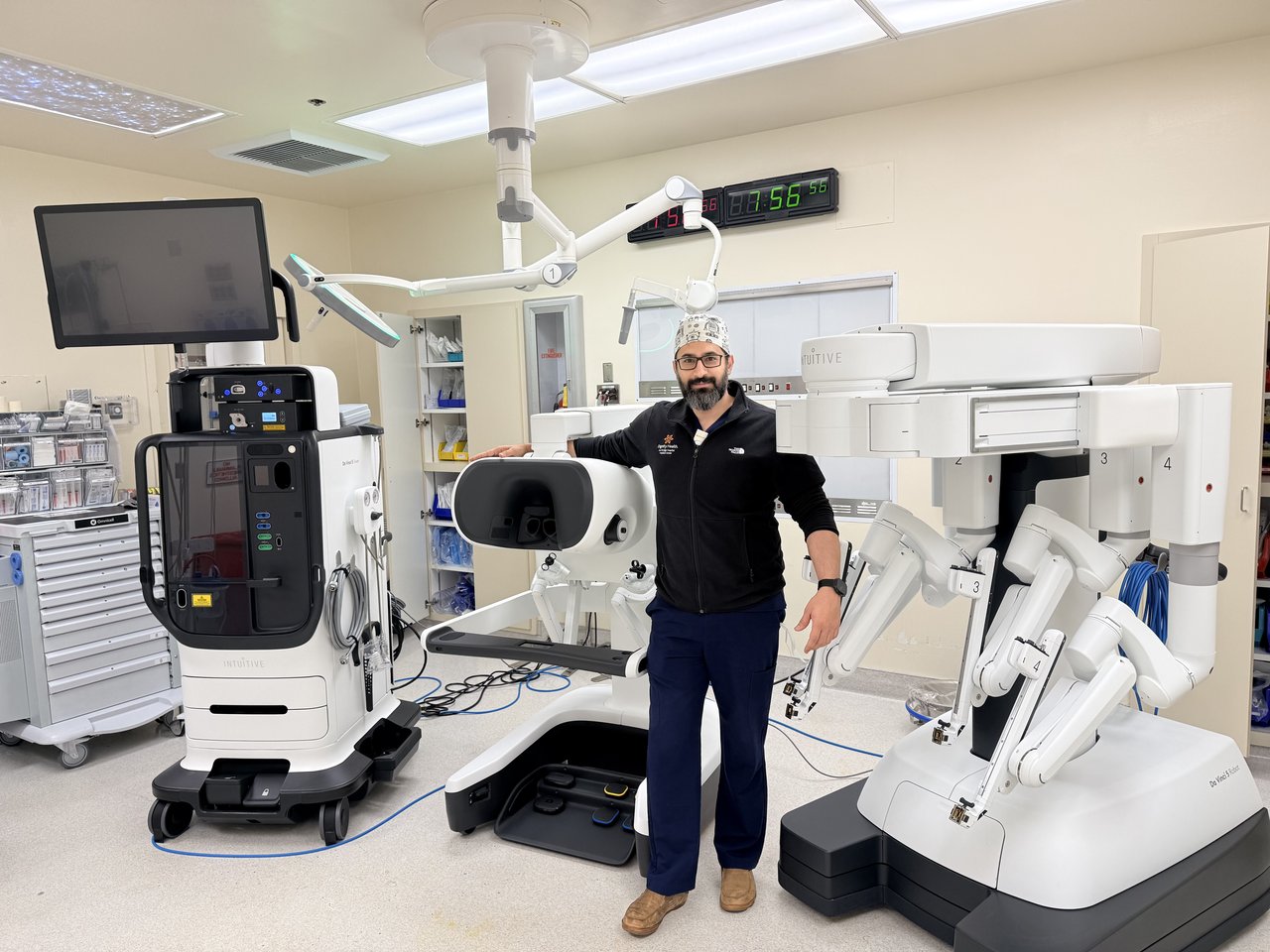
LA Hernia Center is the hernia and abdominal wall specialty practice of Toomari Surgery. Care is provided by Dr. Nojan Toomari, DO, FACS, in Encino, California.
More than 2,200 robotic procedures have been logged under Dr. Toomari’s surgeon ID since 2016. The hernia case counts below come from those same device records.
| Hernia type (Intuitive portal category) | Device-logged cases, all-time |
|---|---|
| Bilateral inguinal hernia repair (TAPP) | 580 |
| Unilateral inguinal hernia repair (TAPP) | 416 |
| Abdominal wall hernias (ventral hernia repair (TAPP) 211; incisional hernia repair (TAPP) 79; umbilical hernia repair 50) | 340 |
| Inguinal and abdominal wall hernias above (excluding hiatal) | 1,336 |
| Hiatal hernia repair (listed separately in the same portal) | 75 |
| All robotic-assisted procedures, including non-hernia cases | 2,224 |
The 2,224 all-procedure total is the source for the site wording “more than 2,200 robotic procedures.” It includes non-hernia robotic operations logged under the same surgeon ID, such as cholecystectomy. Procedure categories are Intuitive’s. These counts are not a prediction of any one patient’s result.
Case counts and console times from Dr. Toomari’s Intuitive da Vinci system records (device-logged, all-time through Nov 2026); not independently audited. Console time is not a measure of outcomes.
See the full figures, including console times, on the robotic hernia repair page.
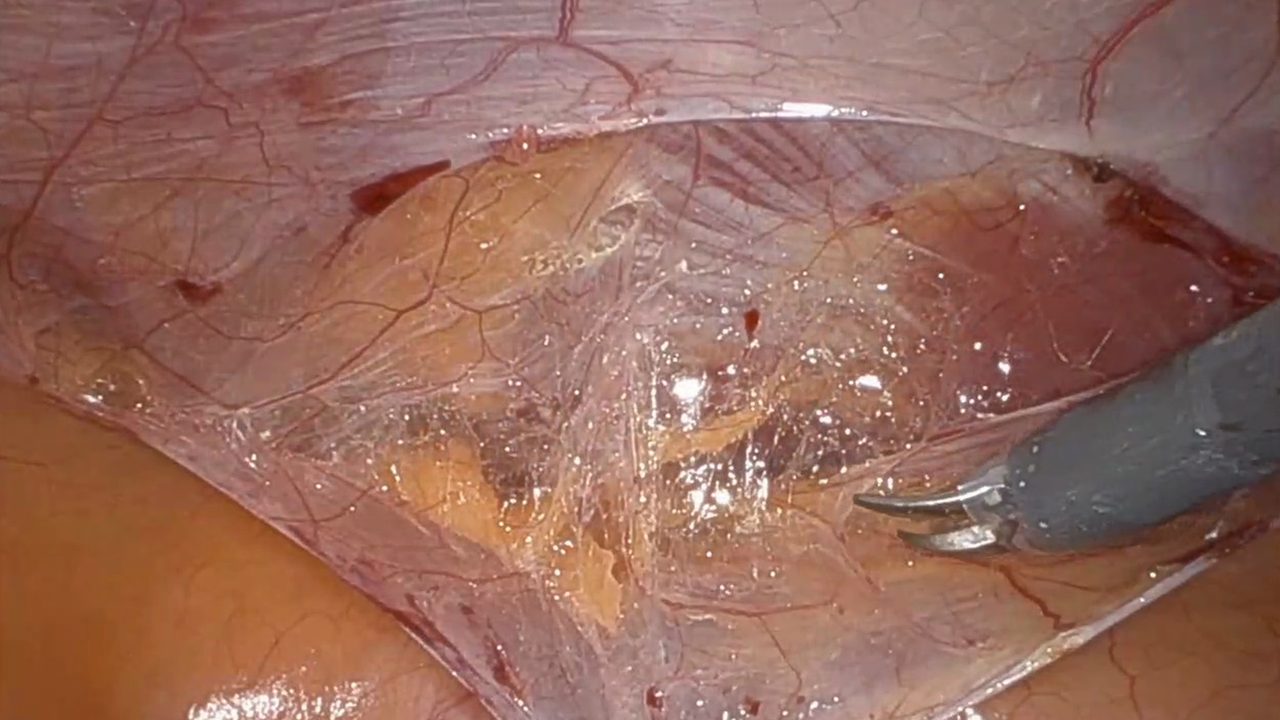
A de-identified intraoperative still from a robotic inguinal hernia repair. These images contain surgical views; individual operations differ.
A hernia happens when tissue pushes through a weak spot in the muscle and connective tissue of the abdominal wall, often causing a bulge in the groin or near the belly button. Hernias do not heal on their own, but not every hernia needs surgery right away.
Dr. Toomari evaluates inguinal, femoral, umbilical, epigastric, incisional, ventral and recurrent hernias, as well as diastasis recti and abdominal wall reconstruction. Some hernias may be more complex. The condition pages describe each in conservative terms. Wondering where the mesh goes? See TAPP vs IPOM and questions to ask your surgeon.
A hernia in the groin, the most common location. Robotic-assisted and minimally invasive repair may be options.
About inguinal herniasFocus area
Separation of the abdominal muscles along the midline, often found with an umbilical hernia. When surgery is appropriate, Dr. Toomari repairs both robotically, keeping the mesh out of the abdominal cavity.
About diastasis rectiA hernia through the front of the abdominal wall, including umbilical, epigastric and incisional hernias.
About ventral herniasPlanning for larger, recurrent or previously repaired hernias that need a tailored approach to rebuild the abdominal wall.
About abdominal wall reconstruction
Call 911 or go to the nearest emergency department if a hernia bulge becomes suddenly painful, firm, red or dark, or cannot be pushed back in, especially with nausea, vomiting, fever, or trouble passing gas or stool. These can be signs that the hernia is trapped and its blood supply is at risk.
Learn the difference between a reducible and an incarcerated hernia and what hernia strangulation means.
In robotic-assisted hernia repair, the surgeon operates through several small incisions while seated at a console, controlling every movement of the instruments. The robot does not operate on its own. Robotic repair is not the right choice for every patient or every hernia; Dr. Toomari will explain the options that fit your situation, including their potential benefits, risks and alternatives.
Instruments and camera enter through small openings.
A high-definition 3D camera view of the abdominal wall.
Wristed instruments the surgeon guides in real time.
Robotic-assisted repair may offer a quicker return to activities and less pain for some patients. It is not the right choice for everyone.
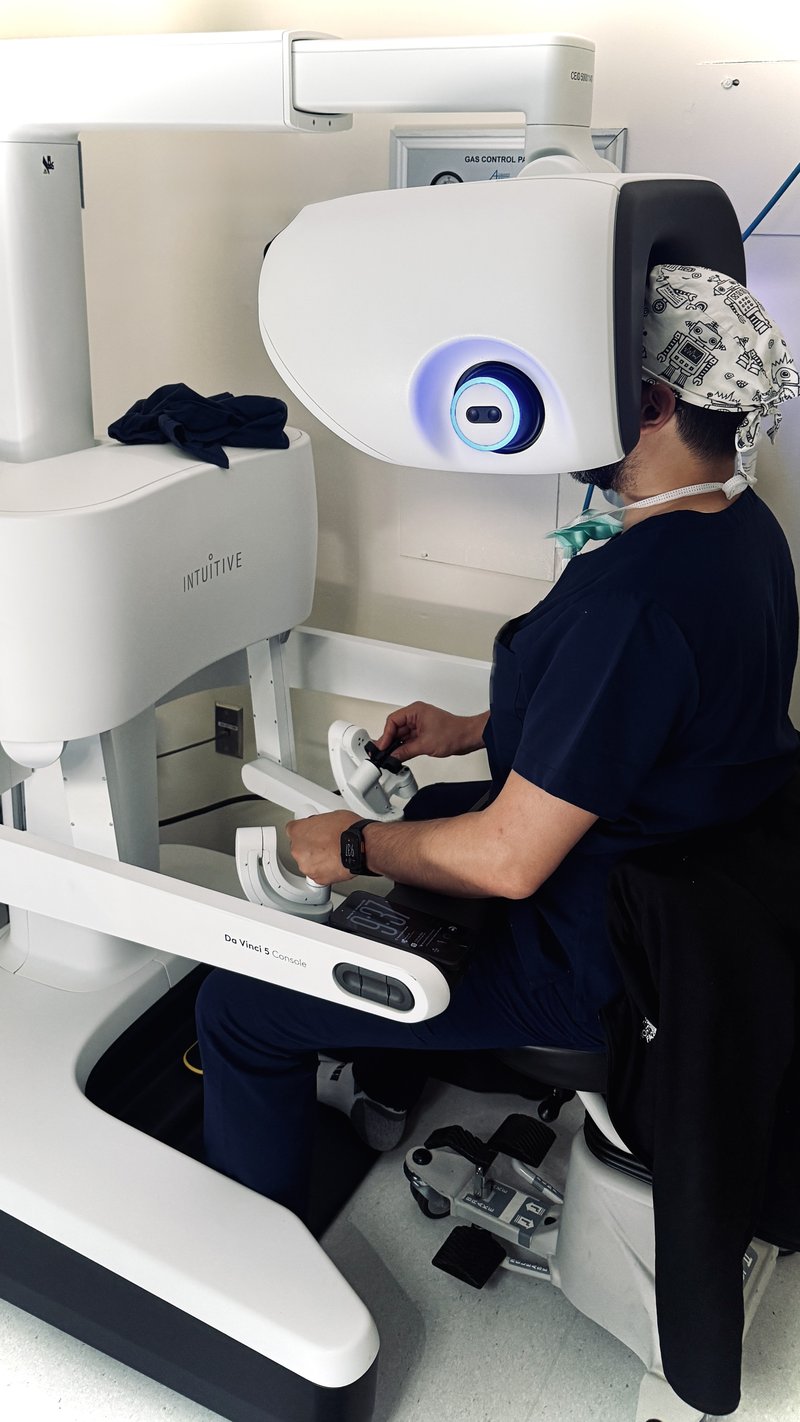
Repair is performed on the da Vinci robotic platform (Intuitive) when it is appropriate. A surgical video of a robotic-assisted inguinal repair is on this page, above, and on the robotic hernia repair page.
Ratings and awards shown as published by each organization. Individual experiences vary; these are not a guarantee of results.

Selected to the 2027 Southern California Super Doctors® list

5.0 on Google
5-star Google reviews
Read reviews on Google
5.0 out of 5 stars on Yelp
2026 People Love Us on Yelp
See reviews on Yelp
5.0 out of 5 stars on Healthgrades
See reviews on Healthgrades
5.0 out of 5 stars on WebMD
See reviews on WebMD5 out of 5 stars
U.S. News Doctors
View U.S. News profile
Best Surgeon in Encino 2026, based on Google reviews (BusinessRate Best of 2026)
Excerpts from public patient reviews on Google and Yelp. Individual experiences vary; these are not a guarantee of results. Read reviews on Google · Read reviews on Yelp.
From start to finish, every step of the process was handled with professionalism, compassion, and clear communication. Dr. Toomari is not only incredibly skilled, but also genuinely attentive and reassuring… His team was phenomenal as well: organized, responsive, and supportive every step of the way.
The surgery was done robotically, and he is a master at this procedure. … Dr. Toomari is a good listener, has a good personality, and is a great surgeon. I’m glad I found him, and would heartily recommend him to others.
Dr. Toomari and his staff were wonderful! … He and his staff were available via text message which was very convenient as well.
Dr. Toomari performed a robotic hiatal hernia surgery on me … I could not be more pleased with Dr. Toomari, his staff, and the results. Dr. Toomari took the time to answer my questions before the surgery and after the surgery. He is caring and understanding.
It starts with his staff in Encino. Kimya set up my appointment, she's knowledgeable, patient and efficient . Answering all my questions. I had Robotic bilateral inguinal and femoral hernia to repair.
Great office staff and he is just a good guy who takes his time to answer all your questions. … If you need hernia surgery this is the doctor you want. No ego and seems to love what he does.
I had hiatal hernia surgery with the doctor and it was wonderful. He is so kind and caring and explained everything…
I’m so grateful to have found Dr. Toomari and his amazing office staff. The whole experience from start to finish was so easy. Their attention to detail and being available via text messaging was very convenient.
See the referral page for contacts and what to include.
Start with these plain-language guides. Surgical videos from Dr. Toomari’s YouTube channel are on the relevant condition and procedure pages.
Dr. Toomari is available for medical-legal consultation. Since 2019 he has served as an expert consultant physician reviewer for the Osteopathic Medical Board of California.
About expert witness services