Abdominal wall hernias
Ventral hernia
A hernia through the front of the abdominal wall. The group includes umbilical, epigastric and incisional hernias.
- What is a ventral hernia?
- Symptoms and when to be seen
- Treatment
- Before and after photos
- Recovery: typical ranges
- Care with Dr. Toomari
- Surgical images
- Surgical video
- Questions patients often ask
- Related pages
What is a ventral hernia?
A ventral hernia is a hernia through the front (anterior) abdominal wall. The term includes umbilical, epigastric and incisional hernias. A less common type, a Spigelian hernia, occurs along the side of the abdominal wall; Dr. Toomari lists Spigelian hernias among the conditions he treats.
Symptoms and when to be seen
A bulge or discomfort in the abdominal wall that is worse with standing, coughing or lifting is typical. Some hernias are visible; some are felt only on exam or seen on imaging. Emergency warning signs are the same as for other hernias: a sudden, painful, firm or discolored bulge, especially with nausea or vomiting.
When a hernia is an emergency
Call 911 or go to the nearest emergency department if a hernia bulge becomes suddenly painful, firm, red or dark, or cannot be pushed back in, especially with nausea, vomiting, fever, or trouble passing gas or stool. These can be signs that the hernia is trapped and its blood supply is at risk.
Learn the difference between a reducible and an incarcerated hernia and what hernia strangulation means.
Treatment
Treatment depends on the size and location of the defect, whether it is recurrent, your symptoms and your health. Options range from watchful waiting to open, laparoscopic or robot-assisted repair, sometimes as part of a broader abdominal wall reconstruction. A diastasis recti along the same midline may be repaired at the same time. Dr. Toomari works to keep the mesh out of the abdominal cavity when it is safe; see TAPP vs IPOM: where the mesh goes.
Before and after photos
These photos show patients Dr. Toomari treated for umbilical and incisional hernias, which are types of ventral hernia, before surgery and at a follow-up visit. They are cropped to the abdomen so no patient can be identified.
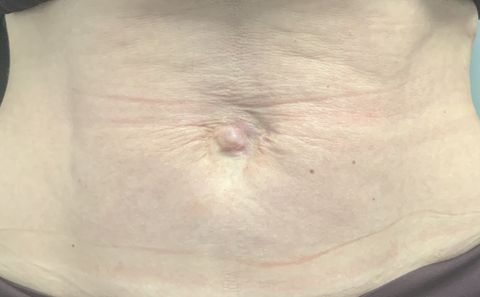
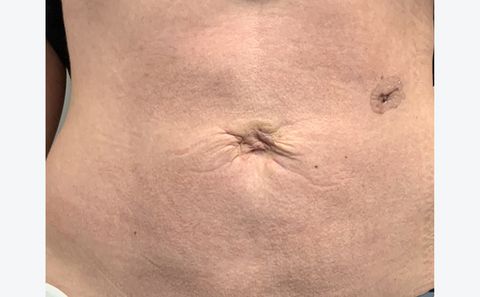
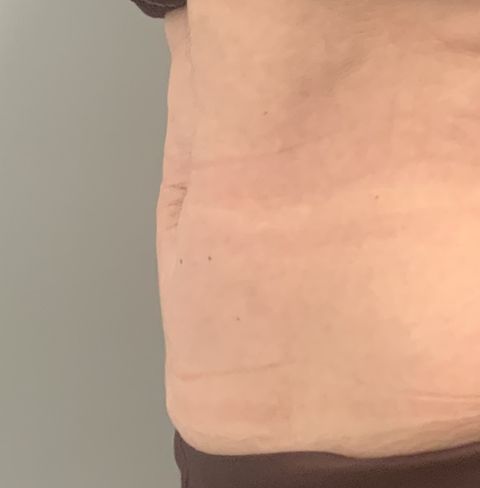
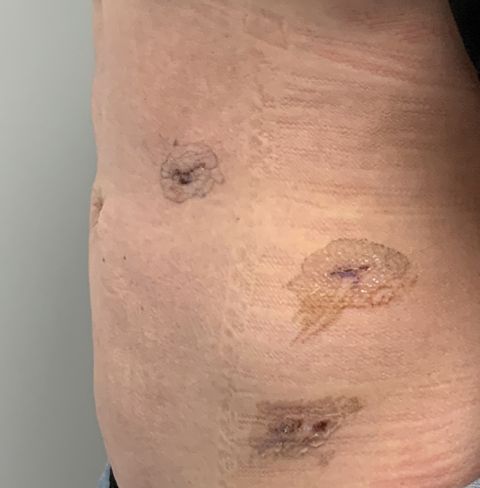


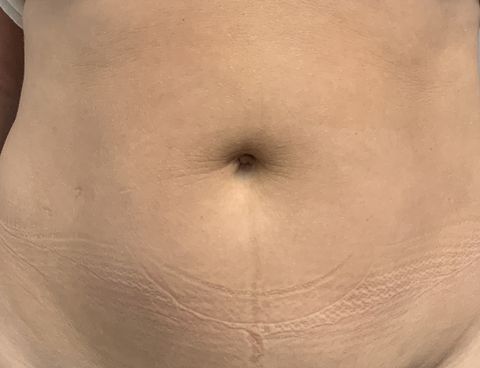
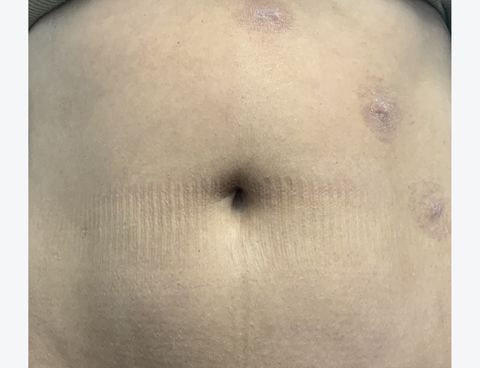
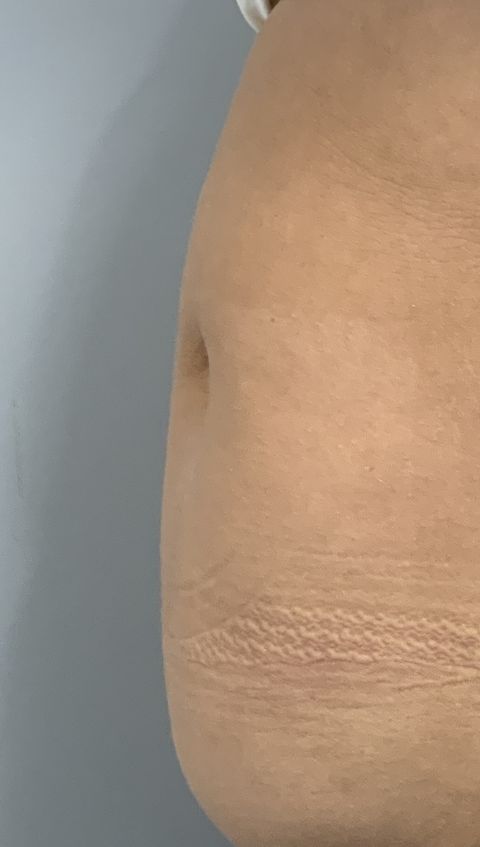
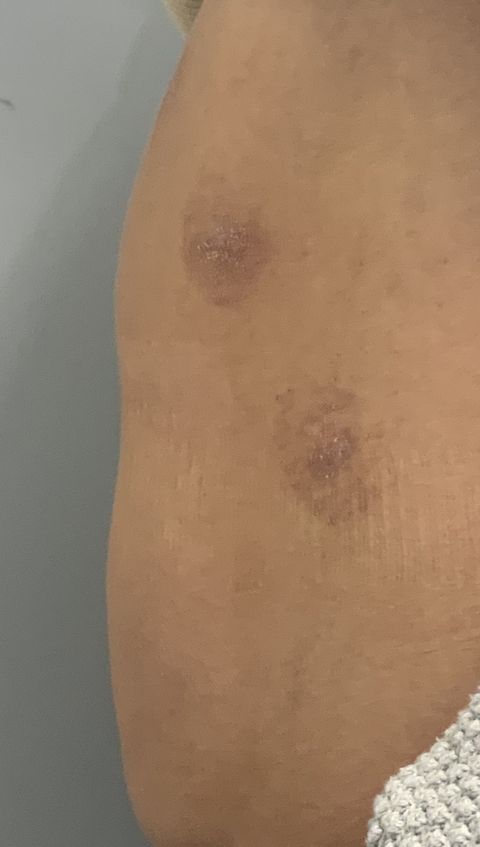
Photos shared with patient permission. Individual results vary.
Recovery: typical ranges
Smaller ventral repairs may have a recovery similar to umbilical repair. Heavy lifting is typically limited for 8 weeks (no lifting over 10 lb). Larger or reconstructive operations may require a longer period of limited lifting and a more gradual return to full activity.
These are typical ranges only. Recovery varies with the hernia, the type of repair, your health and the work or activity you return to. Dr. Toomari will advise you on walking, lifting, driving and follow-up for your situation.
Care with Dr. Toomari
Dr. Nojan Toomari, DO, FACS, is a board-certified general surgeon and Director of Robotic Surgery at Dignity Health – Northridge Hospital Medical Center, and President and Founder of LA Hernia Center (est. 2014). He has been in private practice in Encino since 2014 and has performed more than 2,200 robotic procedures. He offers open, laparoscopic and robot-assisted laparoscopic repair, and will explain which approach, if any, fits your hernia and your health. Not every hernia needs surgery right away.
Surgical images
These de-identified intraoperative stills are from Dr. Toomari’s robotic cases. They are educational, contain surgical views, and do not show every patient’s operation.
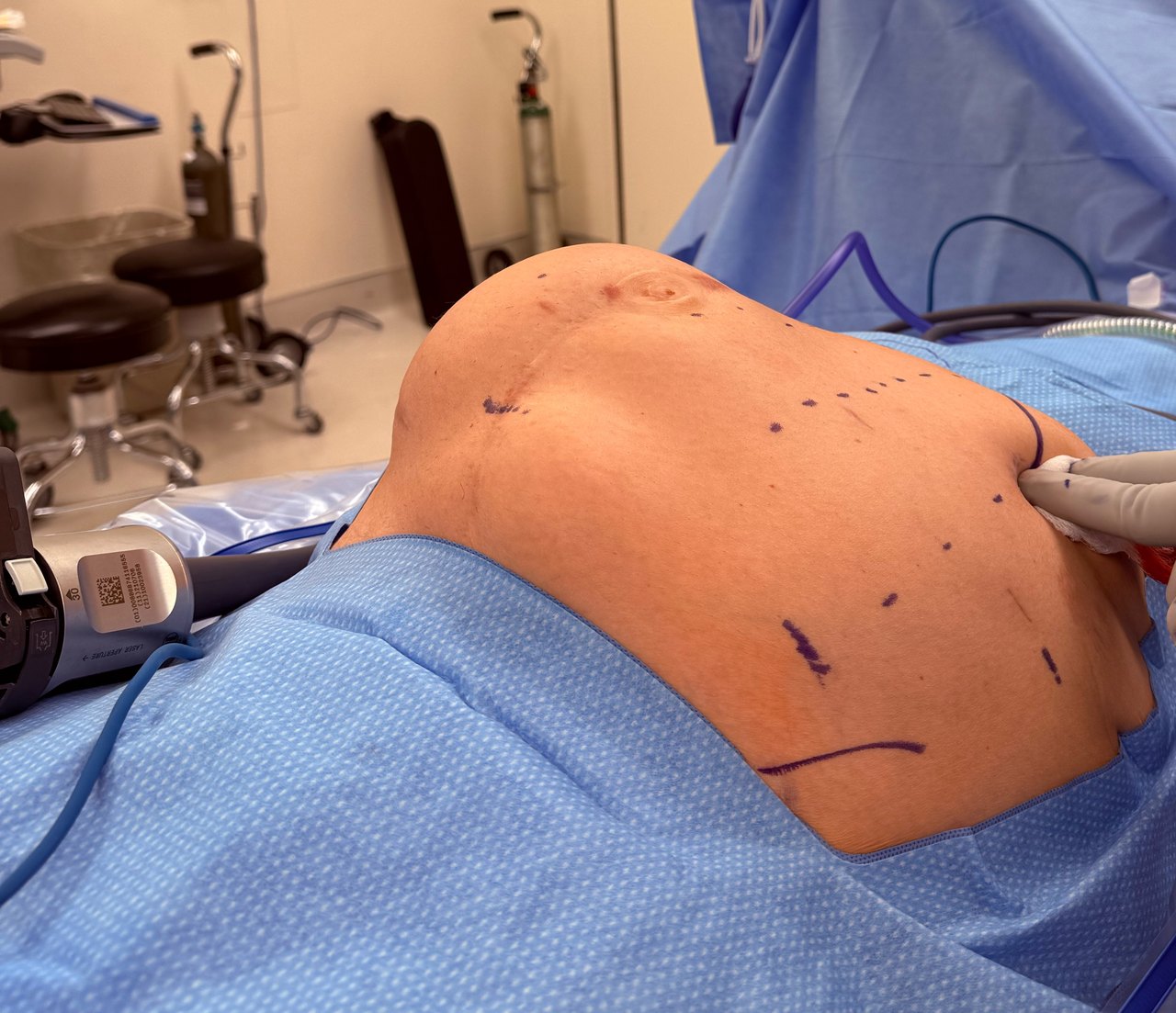
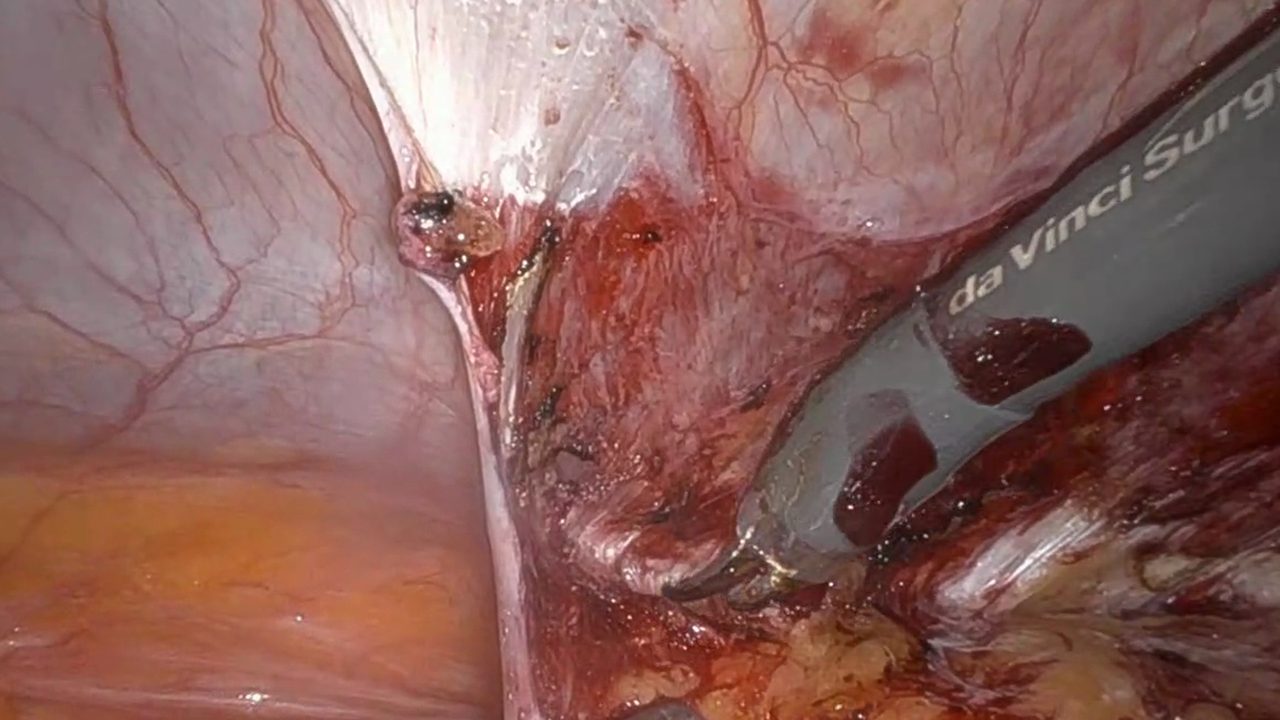
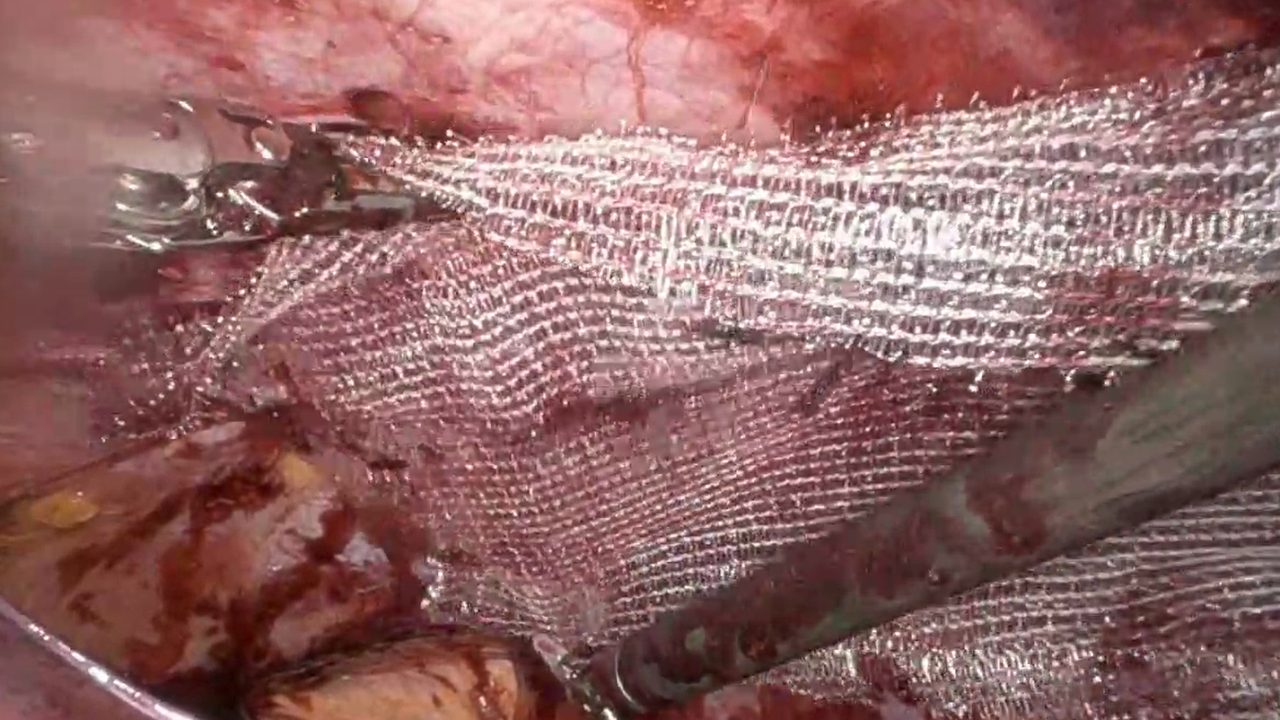
Surgical video
These videos are from Dr. Toomari’s YouTube channel and contain surgical footage. They are educational and do not show every patient’s operation or result.
Questions patients often ask
What counts as a ventral hernia?
Ventral hernia is a broad term for a hernia through the front of the abdominal wall. It includes umbilical, epigastric and incisional hernias, and some less common types such as a Spigelian hernia on the side of the abdominal wall.
Related pages
Talk with our office about your hernia
The quickest way to request a consultation is to call. Our staff can explain next steps and what to bring.