Repair approaches
Mesh in hernia repair
Mesh is used in most repairs, when safe and appropriate, to strengthen a hernia repair. Whether to use it is a decision made with you.
- How mesh is used in hernia repair
- Why it may be recommended
- What to discuss
- After surgery
- Surgical images
- Questions patients often ask
- Related pages
How mesh is used in hernia repair
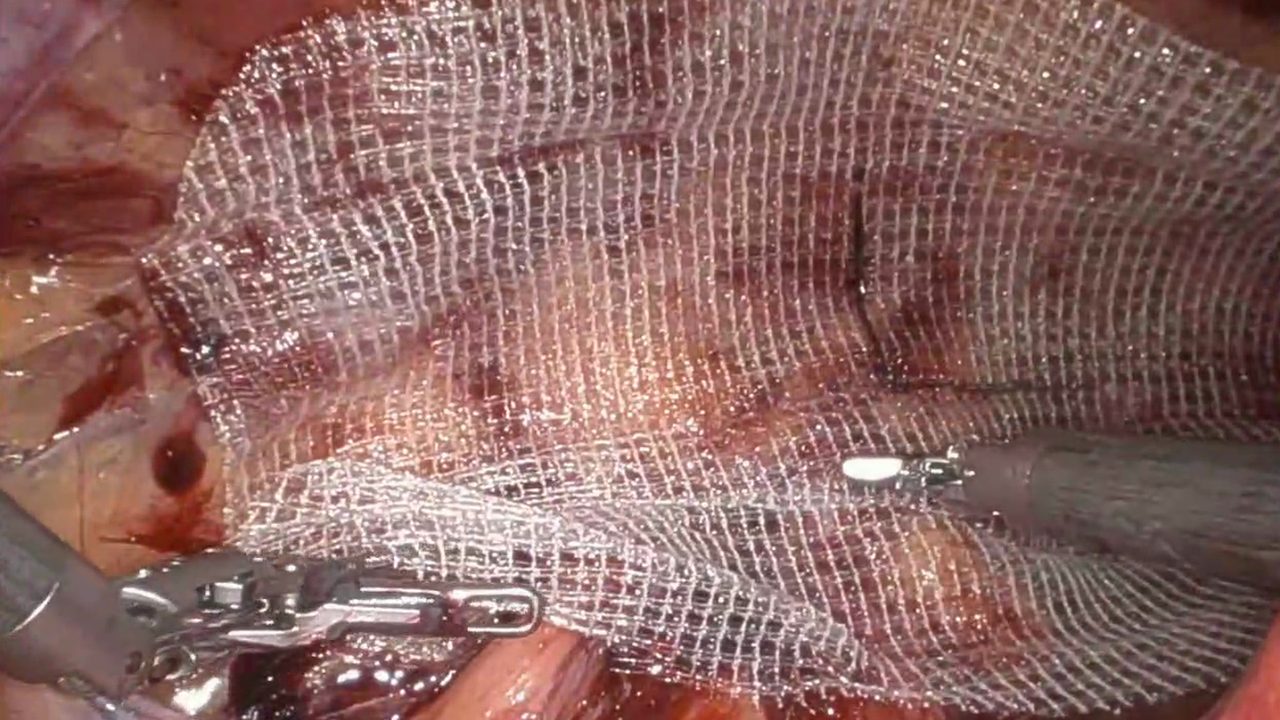
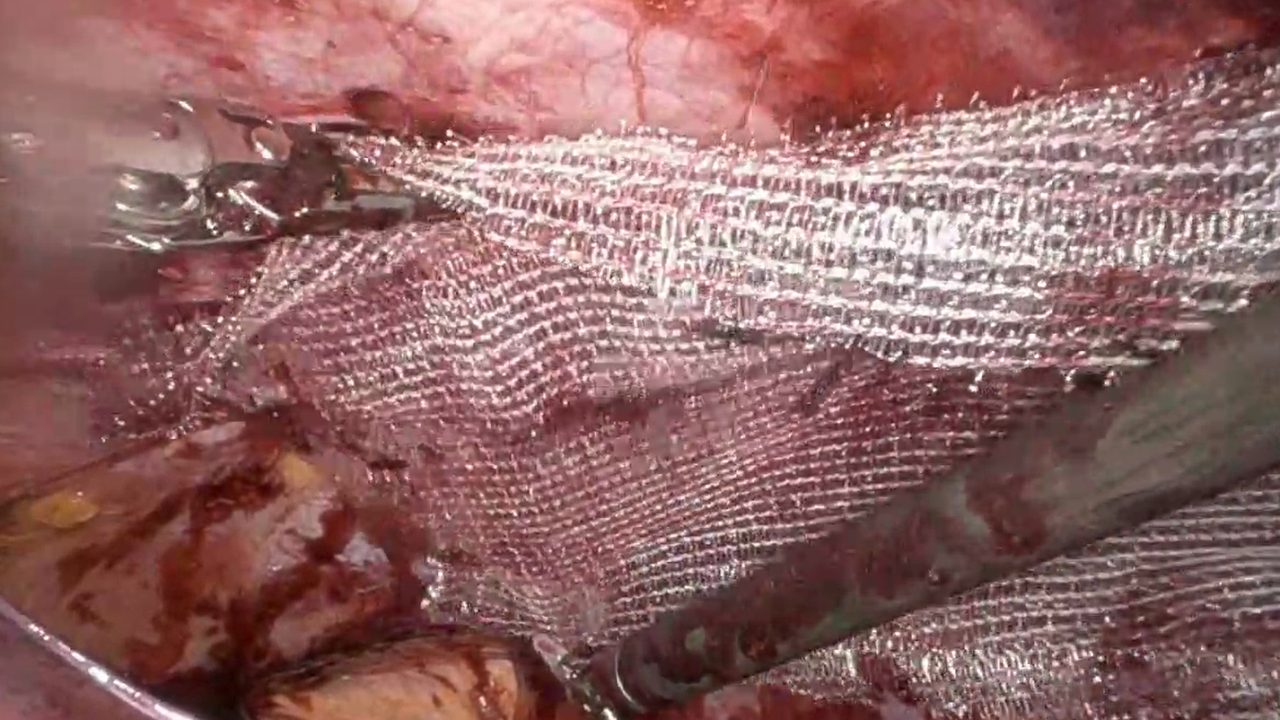
Mesh is used in most repairs, when safe and appropriate. Mesh is a reinforcing material, usually a sheet or patch, placed to strengthen the abdominal wall where a hernia has occurred. It may be used in open, laparoscopic or robot-assisted repairs. Most patients are not aware of it in daily life, but you should still understand why it is being recommended.
Why it may be recommended
Reinforcing a repair can lower the chance of recurrence for many hernia types, especially when the tissue is weak or the defect is more than tiny. Mesh is not mandatory in every case. Suture-only (non-mesh) repair is still used in selected situations. The recommendation is individual.
What to discuss
Ask about the type of mesh, where it will sit (see TAPP vs IPOM: where the mesh goes), what happens if you have had mesh or an infection before, and what symptoms should prompt a call after surgery. This site does not quote product names, recurrence percentages or complication rates that have not been reviewed for this practice.
After surgery
Having mesh does not, by itself, set a different calendar from the repair you had. Activity limits still depend on the hernia and the operation.
These are typical ranges only. Recovery varies with the hernia, the type of repair, your health and the work or activity you return to. Dr. Toomari will advise you on walking, lifting, driving and follow-up for your situation.
Surgical images
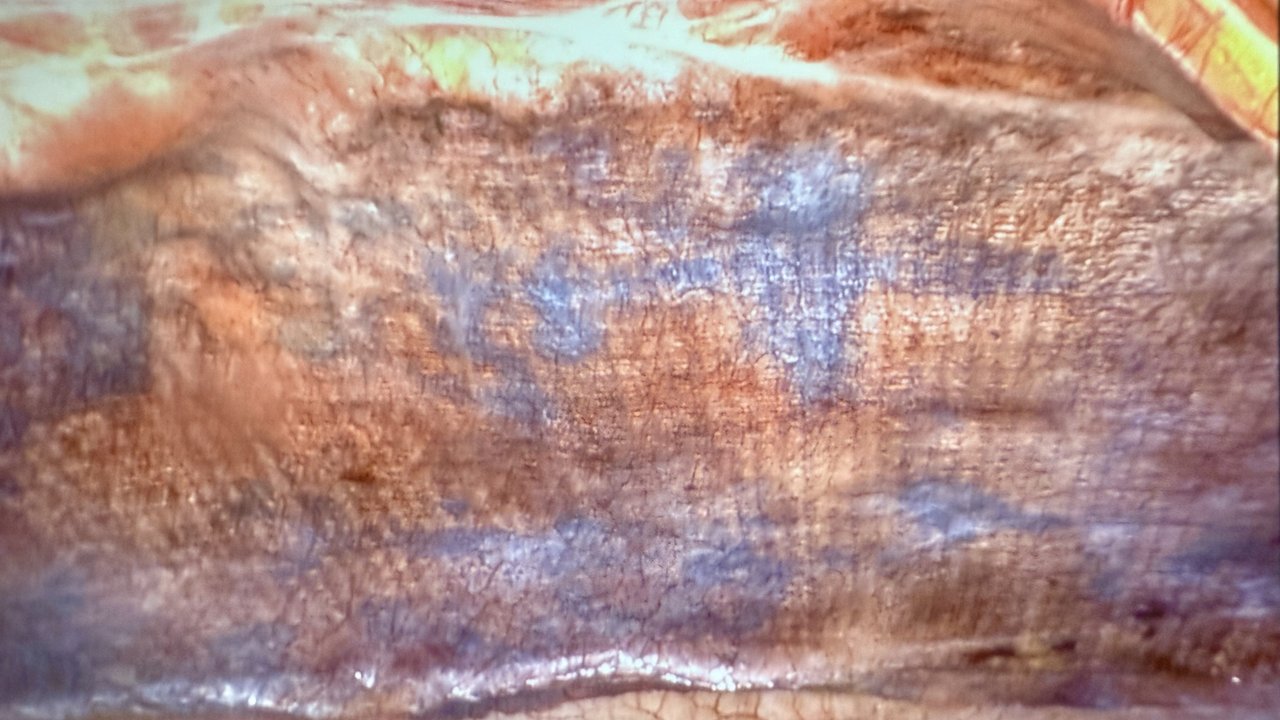
These de-identified intraoperative stills are from Dr. Toomari’s robotic cases. They are educational, contain surgical views, and do not show every patient’s operation.
Questions patients often ask
Do all hernia repairs use mesh?
Mesh is used in most repairs, when safe and appropriate. Some small defects, especially in selected patients, can be closed with sutures alone. Mesh is commonly recommended for many inguinal and ventral repairs because it can reduce the chance the hernia will come back. That trade-off is something to discuss with your surgeon.
Is mesh safe?
Mesh has been used in hernia repair for decades and is appropriate for many patients. Like any implant, it has risks, which can include infection, discomfort, and, uncommonly, the need for further procedures. Different materials and placements carry different considerations. This page does not replace a discussion of risks and benefits that applies to you.
What kind of mesh do you use?
That depends on the hernia, the approach and your history, including any prior mesh or infection. Dr. Toomari will describe the material he recommends and why, before you agree to surgery.
Related pages
Talk with our office about your hernia
The quickest way to request a consultation is to call. Our staff can explain next steps and what to bring.